
What Happens During an HVAC Inspection? A Closer Look at HVAC Inspection Details
- Jan 19
- 4 min read
When it comes to maintaining comfort and efficiency in our homes and businesses, understanding what happens during an HVAC inspection is essential. Regular inspections keep our heating, ventilation, and air conditioning systems running smoothly, preventing costly breakdowns and ensuring a healthy indoor environment. Let’s explore the key aspects of an HVAC inspection, what it includes, and why it matters.
Understanding HVAC Inspection Details
An HVAC inspection is a thorough checkup of your heating and cooling system. It involves a detailed examination of all components to ensure they are working correctly and safely. During the inspection, a certified technician will assess the system’s performance, identify any potential issues, and recommend necessary repairs or maintenance.
This process is not just about fixing problems; it’s about preventing them. By catching small issues early, we can avoid expensive repairs and extend the life of the system. For example, a clogged air filter might seem minor, but it can reduce efficiency and strain the system. Addressing it during an inspection keeps everything running smoothly.
Regular inspections also improve indoor air quality. Dust, mold, and allergens can accumulate in ducts and filters, affecting health. The technician will clean or replace these parts as needed, ensuring the air we breathe is clean and safe.

What is Included in the HVAC Inspection?
A comprehensive HVAC inspection covers several critical areas. Here’s what you can expect:
Visual Inspection
The technician begins by visually checking the entire system — the air conditioner, heat pump, ductwork, and thermostat. In Florida, this also includes looking for allergy‑related issues like mold from high humidity, pollen buildup in return vents, and early signs of corrosion caused by coastal moisture.
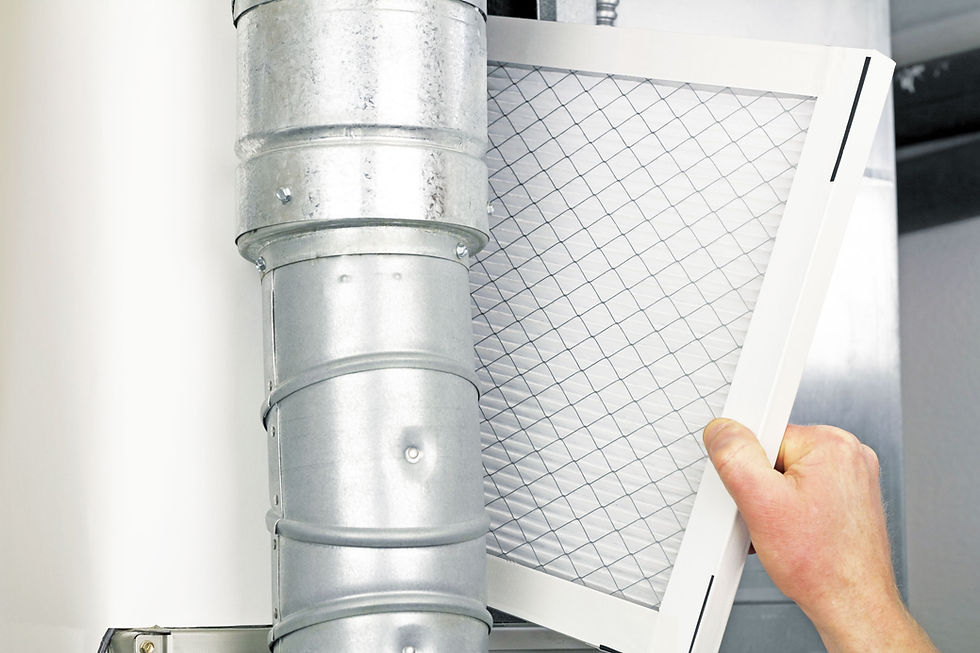
Filter Check and Replacement
Dirty filters reduce airflow and efficiency, and make allergens worse. The technician checks the filter and replaces it if necessary. This simple step improves air quality and system performance.
Thermostat Calibration
The thermostat controls the system’s operation. The technician tests it to ensure it accurately reads the temperature and communicates properly with the HVAC system.
Electrical Connections and Controls
Loose or damaged electrical connections can cause system failure or safety hazards. The technician inspects wiring, fuses, and circuit breakers, tightening or replacing parts as needed.
Lubrication of Moving Parts
Motors and fans have moving parts that need lubrication to reduce friction and wear. Proper lubrication helps the system run quietly and efficiently.
Checking Refrigerant Levels
For air conditioners and heat pumps, refrigerant levels are critical. The technician measures the refrigerant charge and looks for leaks. Low refrigerant can cause poor cooling and damage the compressor.
Inspecting Ductwork
Leaky or dirty ducts reduce airflow and increase energy costs. The technician checks for leaks, blockages, and cleanliness, recommending sealing or cleaning if necessary.
Testing System Controls
The technician runs the system through a full cycle to ensure it starts, operates, and shuts off correctly. This test confirms the system’s reliability and efficiency.
Safety Checks
Safety is a priority. The technician inspects gas lines, burners, and heat exchangers for leaks or cracks that could pose risks.
By covering these areas, the inspection provides a clear picture of the system’s health and what actions are needed to maintain or improve it.
Why Regular HVAC Inspections Matter
Scheduling regular inspections is a smart investment. Here’s why:
Prevent Costly Repairs
Small problems caught early are easier and cheaper to fix. For example, a worn belt or loose connection can be replaced before it causes a system breakdown.
Improve Energy Efficiency
A well-maintained system uses less energy, lowering utility bills. Clean filters, proper refrigerant levels, and sealed ducts all contribute to efficiency.
Extend System Lifespan
Regular care reduces wear and tear, helping the system last longer. This means fewer replacements and better return on investment.
Enhance Comfort
Inspections ensure the system heats and cools evenly, maintaining a comfortable indoor environment year-round.
Ensure Safety
Checking for gas leaks and electrical issues protects your property and loved ones from hazards.
Maintain Warranty Compliance
Many manufacturers require regular inspections to keep warranties valid. Staying on schedule protects your coverage.
How to Prepare for an HVAC Inspection
Preparing for an inspection helps the process go smoothly and efficiently. Here are some tips:
Clear Access to Equipment
Make sure the technician can easily reach the furnace, air conditioner, and thermostat. Remove any obstacles or clutter.
Note Any Issues
Write down any problems you’ve noticed, such as strange noises, uneven temperatures, or unusual smells. Sharing this information helps the technician focus on potential trouble spots.
Check Air Filters
If you’ve recently changed filters, let the technician know. If not, be ready for a replacement.
Schedule Seasonally
The best time for an inspection is before peak heating or cooling seasons. This ensures the system is ready when you need it most.
Ask Questions
Don’t hesitate to ask the technician about the system’s condition, maintenance tips, or energy-saving advice. Understanding your HVAC system empowers you to keep it in top shape.
What to Expect After the HVAC Inspection
After the inspection, the technician will provide a detailed report. This includes:
Summary of Findings
A clear explanation of the system’s condition, highlighting any issues or concerns.
Recommended Repairs or Maintenance
Specific actions needed to fix problems or improve performance.
Estimated Costs
An outline of costs for repairs, parts, or additional services.
Maintenance Tips
Advice on how to care for your system between inspections.
By understanding what happens during an HVAC inspection, we can appreciate the value of regular maintenance. A thorough inspection protects our investment, enhances comfort, and ensures safety. When it’s time for your next hvac system inspection, trust experienced professionals to deliver quality service and peace of mind - call (904) 547-2168.


Comments